PFAS

PFAS FREE

Switching to PFAS-Free: How AYC’s EVOH Technology is Combatting Water Contamination

Austin Fast’s article reported in USA Today on February 24, 2026, “Are forever chemicals (PFAS) in your drinking water?” shares that at least 151 million people have been subjected to toxic “forever chemicals,” in their public drinking water based on water samples collected over the past three years by the EPA. See Link: Are PFAS forever chemicals in your drinking water? See the latest data More than 9,000 utilities across our nation have provided samples to EPA and the EPA will release their final update of these records by Fall 2026. Many cities are reporting levels that exceed the limits of the PFAS chemicals. Columbia Water, South Carolina, has sued …

Read more

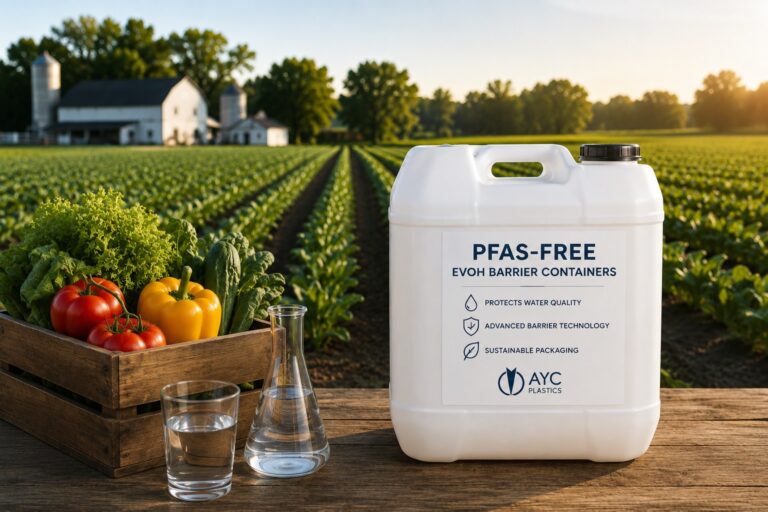
Illustration depicting PFAS contamination in farm crops near a residential area

PFAS in Our Farm Crops

PFAS IN OUR FARM CROPS A recent CBS New York report by Jennifer McLogan revealed High levels of PFAS in produce from eight Long Island farms. Scientific findings indicate that PFAS contamination poses a significant environmental concern that has not yet received the urgency it warrants. Studies show that 97% of Americans have detectable levels of PFAS in their blood, underscoring the need for meaningful action to safeguard current and future generations. The issue of farm vegetables contaminated with this chemical is a concern across our nation, not only on Long Island. These chemicals can leach from storage containers into agricultural products and eventually enter the soil and groundwater.

Illustration representing PFAS contamination risk in agricultural and residential areas

[2026 Update] Escalating PFAS Regulations and Insurance Exclusions: Why Going PFAS-Free is the Key to Mitigating Corporate Risk

An Insuranews article published on February 11, 2026, PFAS Insurance Liability Challenges: Overview of Regulatory and Litigation Issues, reports that PFAS (“forever chemicals”) are creating significant and escalating liability concerns for insurers and their clients. Claims related to PFAS exposure, now detected in the blood of most Americans, continue to rise, with more than 15,000 cases currently pending in federal courts. Increasing settlement costs are predicted to push PFAS‑related liabilities beyond those historically associated with asbestos. These risks extend not only to PFAS manufacturers but also to companies that continue using PFAS in their products despite known environmental and health impacts. An Insurance Journal article posted that insurance companies are …

Read more

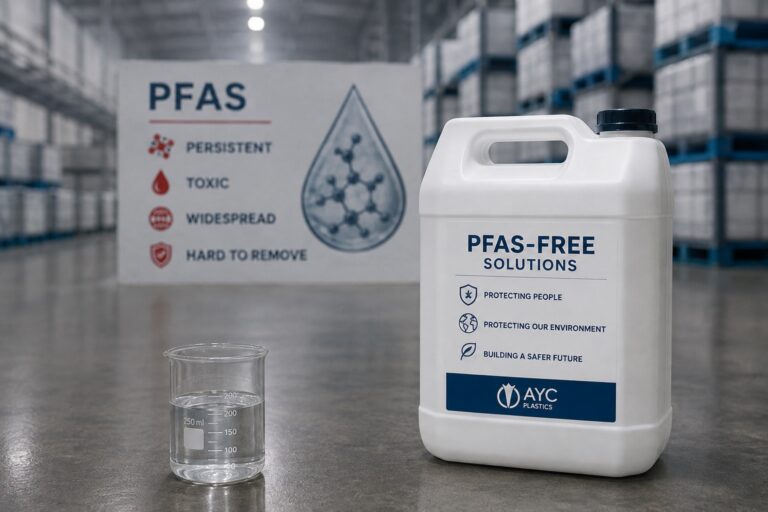
PFAS hazard warning graphic

What Are PFAS and Why Are They a Problem?

What Are PFAS and Why Are They a Problem? PFAS are a class of thousands of synthetic chemicals designed to resist heat, grease, and water. Their unique chemical structure does not break down naturally, earning them the name “forever chemicals.” As a result, PFAS accumulates in the environment and the human body over time. Scientific and regulatory bodies now link PFAS exposure to: PFAS Exposure Is no Longer Abstract – It’s Widespread Recent reporting confirms that more than half of the U.S. population is exposed to PFAS through drinking water, with contamination often traced back to industrial and consumer products. In some states, over one-third of public water systems exceed …

Read more

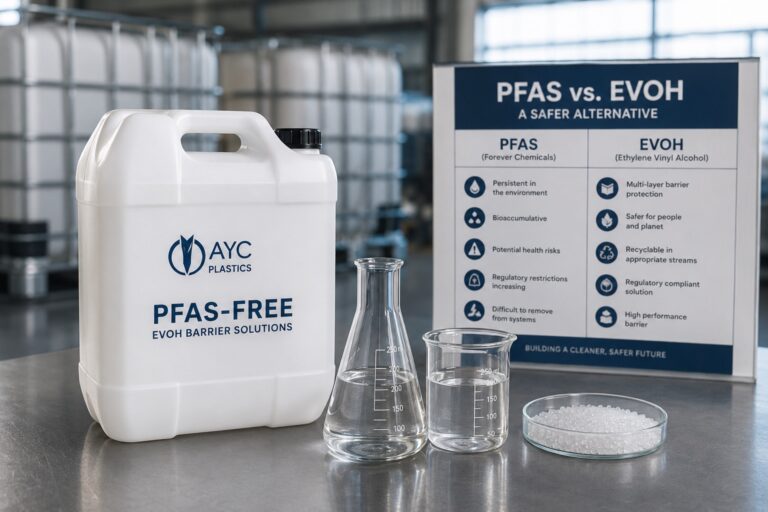
What is PFAS (Forever Chemical) and what is EVOH?

PFAS, or per- and polyfluoroalkyl substances, are synthetic chemicals widely used for their water-, grease-, and stain-resistant properties. However, they are known as “Forever Chemicals” because they do not break down easily in the environment. PFAS can accumulate in water, soil, and living organisms, posing significant health risks such as thyroid disease, kidney, prostate, and other forms of cancer. EVOH, or ethylene-vinyl alcohol, Oxygen Barrier Layer, is a high-performance copolymer used in multi-layer films, and is the “King of Barrier,” in packaging materials prized for its exceptionally high barrier properties against oxygen, gases and industrial chemicals. This makes it ideal for extending the shelf life, freshness, quality and contains organic …

Read more

contact us


    request samples

    get a sample